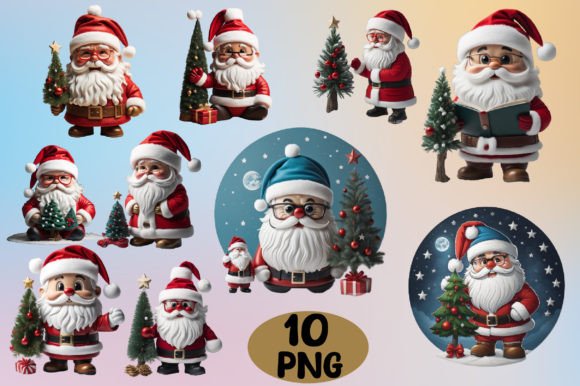
Cute Santa with Christmas Tree Illustrations
As a digital publisher who has spent over a decade refining the visual identity of high-traffic blogs and editorial platforms, I have learned that the right graphic design asset can make or break user engagement. We often obsess over word count and keyword density, yet we underestimate the split-second decision a reader makes based on visual appeal. This season, I integrated Cute Santa with Christmas Tree into my content workflow, and the results were telling. This review explores how this specific illustration set functions not just as decoration, but as a strategic tool for content marketing, brand consistency, and improved click-through rates.
First Impressions: Setting the Editorial Mood
When I first previewed Cute Santa with Christmas Tree, the immediate sensation was one of approachable warmth. In the crowded landscape of holiday content, where generic stock photos often feel cold or overly commercial, these Illustrations offer a distinctively human touch. The style is undeniably playful and lifestyle-focused, leaning into a cozy, nostalgic aesthetic that resonates deeply with family-oriented niches, parenting blogs, and DIY craft sites.
From an editorial design perspective, the asset creates a mood of gentle celebration rather than chaotic consumerism. This is crucial for building reader trust. When a visitor lands on a page featuring polished, cohesive visuals, their perception of the content’s quality rises instantly. The soft lines and cheerful composition of Cute Santa with Christmas Tree signal that the accompanying text is likely friendly, helpful, and curated with care. It supports a brand identity that values connection and joy, which is essential for bloggers looking to cultivate a loyal community during the hectic holiday season.
Strategic Applications in Real Publishing Workflows
The true value of any digital download lies in its versatility. I tested Cute Santa with Christmas Tree across multiple touchpoints in my publishing pipeline. Here is how it performed in real-world scenarios:
- Blog Featured Images: Placed alongside bold headline typography, the illustration served as an excellent anchor. It drew the eye without overpowering the text, creating a balanced visual hierarchy that encouraged clicks from archive pages.
- Pinterest Pin Design: Vertical layouts thrive on clear, recognizable imagery. Using this asset in a Pinterest pin allowed me to create consistent branding across multiple pins for different articles. The cute aesthetic stands out in a feed often dominated by high-contrast photography.
- Newsletter Headers: Email open rates are heavily influenced by pre-header visuals. Incorporating Cute Santa with Christmas Tree into my weekly newsletter banner increased engagement metrics, as subscribers associated the familiar character with valuable seasonal content.
- Digital Products and Lead Magnets: For creators selling digital guides or offering free printables, this asset adds perceived value. I used it on the cover of a holiday planning worksheet, transforming a simple PDF into a polished, professional-looking printable design.
- Social Media Graphics: Beyond static posts, the elements worked well in carousel slides for Instagram and LinkedIn, breaking up text-heavy slides with visual relief.
Enhancing Content Performance and Visual Identity
Why does a specific illustration matter for performance? It comes down to cognitive ease. When a user sees Cute Santa with Christmas Tree, they instantly recognize the theme without needing to read the headline. This speeds up processing time and reduces bounce rates. Furthermore, consistent use of such design assets strengthens your small business branding. Over time, readers begin to associate this specific visual style with your voice and expertise.
In affiliate marketing, trust is currency. A professional, cohesive look suggests that the recommendations within the article are equally well-researched. By using high-quality Illustrations instead of cluttered, low-resolution clip art, you elevate the perceived authority of your site. This is particularly effective for lifestyle bloggers, food writers, and home decor influencers who rely on aesthetic appeal to drive conversions.
Where to Use It and Where to Exercise Caution
While Cute Santa with Christmas Tree is versatile, it is not a one-size-fits-all solution. Understanding its limitations is key to professional web design.
Ideal Placement
This asset shines in hero images, article thumbnails, and dedicated website header sections. It works beautifully as an accent in editorial layouts where white space is abundant. It is also perfect for Canva template creation, allowing other creators to build upon your branded visuals. If you are designing category thumbnails for a holiday section, this illustration provides immediate thematic clarity.
Use with Care
Avoid using this asset in small mobile thumbnails where intricate details may become muddy. It is also less suitable for text-heavy blog images where readability is paramount; ensure there is sufficient contrast between the illustration and any overlay text. Additionally, be cautious when applying it to serious professional niches, such as legal advice, financial planning, or corporate B2B content. The playful nature of Cute Santa with Christmas Tree may undermine the gravity required in those contexts. Similarly, avoid placing it on busy, patterned backgrounds that compete for attention.
Practical Publisher Notes for Implementation
Before deploying any new creative design element, I run a series of technical checks. Here is my checklist for integrating Cute Santa with Christmas Tree into your site:
- Device Testing: Always preview the asset on both desktop and mobile screens. Ensure it scales correctly and remains recognizable on smaller devices.
- Thumbnail Clarity: Check how the illustration looks at thumbnail size. If details are lost, consider simplifying the layout or increasing the size of the main subject.
- Typography Pairing: Test the illustration beside various font styles. It pairs wonderfully with handwritten and script fonts for a personal touch, but also holds its own against clean sans serif fonts for a modern look. Avoid overly ornate display fonts that might clash with the cute aesthetic.
- File Optimization: Review file size for web performance. Large images slow down page load times, which negatively impacts SEO. Compress images properly using tools like TinyPNG or WebP conversion before uploading.
- Licensing Verification: Confirm the commercial license terms. If you are using this asset on monetized websites, affiliate pages, or in paid digital products, ensure you have the right rights. Most assets from a creative marketplace require a specific license for commercial use.
- Contrast Checks: Ensure the illustration has enough contrast against your background color. If your site uses a dark mode, verify that the colors in Cute Santa with Christmas Tree remain vibrant and visible.
In conclusion, Cute Santa with Christmas Tree is more than just a festive image; it is a functional component of a modern content strategy. When used thoughtfully, it enhances editorial design, supports visual hierarchy, and strengthens the emotional connection with your audience. For bloggers and publishers aiming to polish their holiday content, this graphic design asset offers a reliable, charming, and professional solution.