Reviewing Christmas Socks Clipart for Embroidery
As a designer who has spent countless hours digitizing and testing machine embroidery design files, I have learned that not every graphic translates well to thread. When I first pulled up the Christmas Socks Collection Clipart PNG, my initial reaction was one of cautious optimism. The visual charm is undeniable, but my job is to look past the pretty pixels and determine if this asset holds up under the needle. For Etsy sellers, craft business owners, and hobbyists alike, understanding the gap between a digital illustration and a stitched reality is crucial for maintaining professional standards.
First Impressions and Visual Personality
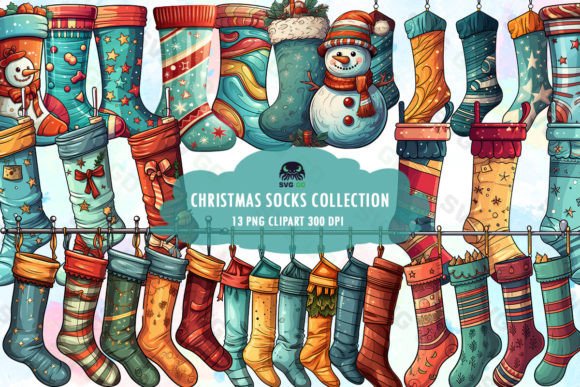
The Christmas Socks Collection Clipart PNG falls squarely into the category of festive Illustrations that rely on bold shapes and recognizable holiday motifs. The mood is cozy, traditional, and inviting. From a layout perspective, the designs feature classic stocking shapes, often adorned with cuffs, heels, and toes that provide natural boundaries for stitch types. This is a significant advantage. Clean lines and distinct sections make it easier for a digitizer—or an automated converter, though I rarely recommend those for high-end work—to create a clean embroidery file.
However, the level of detail in the source PNG requires careful scrutiny. If the clipart includes intricate patterns like fair isle knits or tiny snowflakes within the sock design, these elements pose a challenge. In embroidery, we are limited by stitch density and thread thickness. A design that looks crisp on a screen can become a muddy mess if the details are too small for the hoop or the fabric. My advice is to zoom in to 100% and ask yourself: can I distinguish each element clearly? If the answer is no, you will need to simplify the design before stitching.
Real-World Application: The Holiday Tote Bag Test
To truly evaluate the Christmas Socks Collection Clipart PNG, I imagined a common real-life scenario: creating a set of reusable holiday gift bags. I envisioned using the design on a heavy cotton canvas tote bag design. This is a popular small shop product during the fourth quarter. The sturdy fabric of a tote bag can handle a moderate amount of stitching, making it an ideal candidate for this type of graphic.
In this context, the sock design works beautifully as a central focal point. Using a combination of satin stitch for the cuffs and borders, and a fill stitch for the body of the sock, you can create a textured, tactile feel that mimics the warmth of actual wool. The visual appeal here drives buyer engagement. Customers are not just buying a bag; they are buying a piece of holiday cheer. The clarity of the design ensures that even from a distance, the motif is recognizable, which enhances the perceived value of the handmade product.
Versatility Across Product Lines
Beyond tote bags, this clipart collection has potential across various custom apparel and home decor items. Consider sweatshirt embroidery. A single, well-placed sock on the left chest area creates a subtle, stylish look that appeals to adults who want festive wear without being overly loud. For baby embroidery, the soft, rounded shapes of socks are perfect for onesies or bibs, provided the scale is adjusted to fit smaller hoop size constraints.
For those selling digital embroidery file packs or printable mockup assets, this collection offers strong commercial viability. It fits seamlessly into holiday embroidery themes that dominate marketplaces in November and December. Whether used for embroidered patch creation or direct-to-garment applications, the versatility of the sock motif allows for creative experimentation.
Technical Challenges and Fabric Considerations
While the aesthetic is strong, practical application requires addressing technical limitations. One major concern with any PNG-based design intended for embroidery is the lack of inherent stitch data. You cannot simply print a PNG and expect your machine to read it. You must digitize it or convert it properly. During this process, pay close attention to thread colors. The contrast in the original clipart must be maintained in thread form. If the PNG uses subtle shade variations, you may need to switch to a running stitch or adjust the color palette to ensure definition.
Fabric choice is another critical factor. On textured fabrics like fleece or terry cloth, fine details in the sock pattern may get lost. In these cases, simplifying the design to its essential shapes is necessary. Conversely, on thin or stretchy fabrics, high stitch density can cause puckering. Always use the appropriate stabilizer—cut-away for stretchy knits and tear-away for stable wovens—to support the stitches and maintain the integrity of the finished product.
Be particularly careful with curved surfaces like caps. Placing a wide sock design on a baseball cap requires breaking the design into smaller sections or using an applique design technique to reduce bulk. Layering fabric for applique can mimic the look of the clipart while keeping the garment comfortable and durable.
Enhancing Brand Consistency and Trust
For commercial embroidery professionals, consistency is key to building customer trust. Using a cohesive set of designs like the Christmas Socks Collection Clipart PNG helps establish a recognizable brand style. When customers see high-quality, clear stitching that matches your promotional images, their confidence in your craft business grows. This leads to repeat buyers and positive reviews, which are vital for Etsy seller success.
Moreover, the professionalism of your presentation matters. Before listing a personalized gift or boutique branding item, test the design on scrap fabric. Check how the thread colors interact with both light and dark backgrounds. A design that pops on white might disappear on navy blue. Creating printable mockup previews that accurately reflect the stitched outcome prevents customer disappointment and reduces return rates.
Practical Designer Notes for Best Results
To get the most out of this collection, follow these practical steps before committing to a full production run:
- Test on Scrap Fabric: Always stitch a sample on the same material you plan to use for the final item. This reveals issues with tension, density, and color contrast.
- Check Stitch Density: Ensure the digitized version does not have excessive overlapping stitches, which can cause thread breaks and fabric distortion.
- Confirm Hoop Size: Verify that the design fits within your available hoops without requiring re-hooping, which can lead to alignment errors.
- Inspect Small Details: Zoom in on the digitized file to ensure tiny elements are not too fragile to survive washing and wearing.
- Review Licensing: Before selling design assets or finished goods, confirm the license terms associated with the original clipart. Ensure you have commercial rights if you are creating products for sale.
- Contrast Testing: View your design in black and white to check for value contrast. If the design looks flat in grayscale, it will likely lack definition when stitched.
In conclusion, the Christmas Socks Collection Clipart PNG is a promising resource for holiday-themed projects. Its strength lies in its recognizable shape and festive appeal. However, its success depends entirely on thoughtful digitization and material selection. By treating the PNG as a starting point rather than a final solution, designers can create stunning embroidery project outcomes that delight customers and elevate their brand. Whether you are making a single personalized gift or a batch of small shop product inventory, taking the time to refine the design for embroidery will always pay off in quality and durability.