Reviewing Watercolor Christmas Window Sublimation for Stitching
As a designer who has spent years translating digital art into thread, I approach every new machine embroidery design with a mix of curiosity and skepticism. We have all seen those beautiful, high-resolution previews that look stunning on a screen but turn into a tangled mess of thread breaks and puckering once they hit the fabric. Today, I am taking a close, practical look at Watercolor Christmas Window Sublimation. While the title suggests a sublimation process, my focus here is strictly on how this visual asset translates into an embroidery project for real-world application.
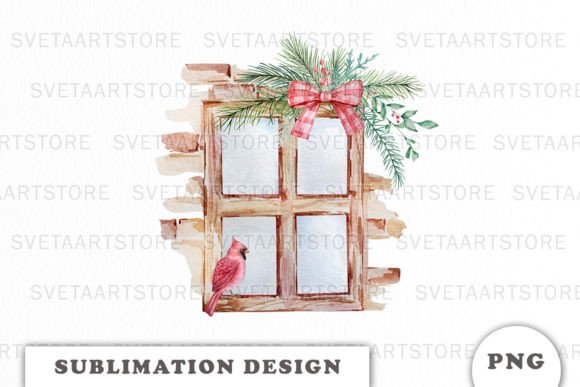
The first thing that strikes me about this piece, which falls under the category of Illustrations, is its atmospheric quality. It does not scream for attention with harsh lines or neon contrasts. Instead, it offers a soft, nostalgic mood that feels inherently cozy. For an embroidery designer, this presents both an opportunity and a challenge. The watercolor aesthetic relies on gradients and bleeding colors, which are notoriously difficult to replicate with thread. However, if handled correctly, this design can elevate a simple item into a heirloom-quality personalized gift.
Visual Impact and Project Suitability
When I visualize Watercolor Christmas Window Sublimation stitched out, I immediately think of home decor and winter apparel. The composition likely features a window frame looking out onto a snowy scene or festive lights, a classic holiday motif. This layout works exceptionally well for larger surface areas. I can see this thriving as a central element on a heavy cotton tote bag design or as a chest print alternative on a fleece-lined hoodie. The "window" framing device naturally draws the eye inward, making it an excellent focal point for sweatshirt embroidery where you want a balanced, centered look.
For Etsy sellers and small shop product creators, the appeal lies in the trendiness of the watercolor style combined with the tactile luxury of embroidery. Customers are increasingly drawn to items that feel handmade and unique. A finished product featuring this design on a linen pillow cover or a kitchen towel could command a higher price point because it moves beyond generic clipart into the realm of artistic design assets. It fits seamlessly into the current demand for cottagecore and rustic holiday aesthetics.
Navigating Technical Challenges in Stitching
Here is where the rubber meets the road. Translating a watercolor effect into an embroidery file requires careful planning. If you are digitizing this yourself or working with a pre-digitized version, you must pay close attention to stitch density. Watercolor effects often use fill stitch patterns to create solid areas of color. If the density is too high on a lightweight fabric, you will experience severe puckering. Conversely, if the density is too low, the fabric background will show through, breaking the illusion of the painted effect.
I recommend using a cut-away stabilizer for this type of design, especially if you are stitching on stretchy fabrics like jersey knits for custom apparel. The weight of the thread needed to achieve those soft color blends can pull on the fabric, distorting the shape of the window frame. For rigid fabrics like canvas tote bags or denim, a tear-away might suffice, but always test first. The intricate details of a window pane may require satin stitch borders to define the edges clearly against the softer fill areas. Without these defining lines, the design could look muddy from a distance.
Another critical consideration is thread colors. To mimic the watercolor look, you cannot rely on standard primary colors. You will need a palette of muted, blended tones. Think slate blues, soft grays, warm creams, and dusty greens. High-contrast, vibrant threads will clash with the subtle nature of the illustration. I advise creating a physical thread chart before starting your final holiday embroidery run. Compare your threads against the digital preview in natural light to ensure the transition between shades looks gradual and organic.
Fabric Selection and Hoop Considerations
The choice of fabric can make or break this design. Because Watercolor Christmas Window Sublimation relies on visual softness, it pairs beautifully with textured fabrics like linen, wool blends, or heavy cotton. The texture of the fabric can actually enhance the handmade feel of the embroidery. However, avoid highly textured fabrics like terry cloth or boucle for the main design area, as the loops can obscure the finer details of the window scene.
Regarding hoop size, this design likely requires a medium to large hoop, such as a 5x7 or 6x10 inch frame, to capture the full scope of the window view without cramming the elements. Attempting to shrink this design down for a small embroidered patch or a baby hat brim is risky. Tiny details, such as snowflakes or distant lights, may become indistinguishable blobs of thread. If you must scale it down, simplify the design by removing the smallest elements or increasing the outline thickness to maintain clarity.
For baby embroidery projects, such as a onesie or a burp cloth, ensure that the back of the stitching is clean and covered. Babies have sensitive skin, and the dense backing required for a watercolor-style fill can be irritating. Use a soft, no-show mesh stabilizer and consider adding a lightweight fusible interfacing to the inside of the garment to protect the skin from scratchy thread ends.
Commercial Viability and Brand Consistency
From a business perspective, incorporating Watercolor Christmas Window Sublimation into your lineup can strengthen your brand identity if you specialize in elegant, understated holiday goods. It appeals to a demographic that values sophistication over kitsch. When listing this as a commercial embroidery item, use high-quality printable mockup images that show the texture of the thread. Digital renderings often fail to convey the depth that embroidery adds.
Before selling any handmade product featuring this design, you must verify the licensing terms. Just because a file is labeled as an illustration does not automatically grant commercial rights for physical goods. Check whether the license covers finished items, digital products, or both. If you are creating a digital embroidery file for other crafters to use, ensure you have the right to redistribute the digitized version. Clarity here protects your craft business from legal issues and builds trust with your customers.
Practical Designer Notes for Execution
To ensure success with this design, follow these practical steps:
- Test on scrap fabric: Always stitch a sample on the exact fabric you plan to use for the final product. This reveals tension issues and color clashes early.
- Check contrast: View your design in black and white. If the details disappear, you need to adjust your thread choices or stitch types to create more definition.
- Inspect small details: Zoom in on the digital file. Are the corners of the window sharp? Do the snowflakes have enough space between them? Fix any potential collision points before stitching.
- Consider the background: This design will look vastly different on white versus navy fabric. Adjust your thread palette accordingly. On dark fabrics, you may need an underlay or a base layer of lighter thread to make the colors pop.
- Verify file formats: Ensure you have the correct embroidery file format for your machine (PES, DST, JEF, etc.). Conversion can sometimes alter stitch paths, so always review the converted file in your software.
In conclusion, Watercolor Christmas Window Sublimation is a compelling choice for designers looking to add a touch of artistic flair to their holiday collection. It requires a thoughtful approach to digitizing and stitching, particularly regarding density and color blending. However, when executed with care on the right materials, it results in a sophisticated, high-value item that resonates with customers seeking meaningful, beautifully crafted holiday decor and apparel. Take the time to test, refine, and perfect your technique, and this design will become a standout star in your winter lineup.