Tree Christmas Card: A Designer’s Embroidery Review
As a designer who has spent years digitizing and testing machine embroidery designs, I approach every new file with a mix of curiosity and skepticism. We have all been there: you download a promising digital embroidery file, load it onto your machine, and hold your breath as the needle hits the fabric. Will it pull? Will the details hold up? Does it actually look like the preview? Today, I am taking a close look at Tree Christmas Card, a design categorized under Illustrations, to see if it holds up in real-world production environments.
This is not just about aesthetics; it is about functionality. Whether you are an Etsy seller preparing for the holiday rush, a boutique owner curating custom apparel, or a hobbyist making personalized gifts, the reliability of your design assets determines the quality of your finished product. Here is my practical assessment of how Tree Christmas Card performs when moved from the screen to the hoop.
First Impressions and Visual Personality
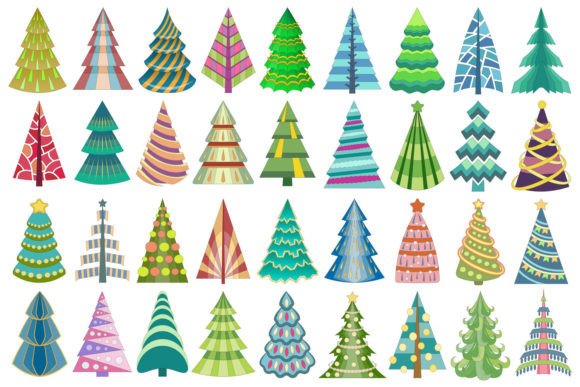
The first thing that strikes me about Tree Christmas Card is its balanced composition. In the world of Illustrations, there is often a temptation to over-complicate lines, but this design maintains a clean, recognizable silhouette. The mood it creates is warm and nostalgic, fitting perfectly into the holiday embroidery niche without feeling cluttered or dated.
Visually, the layout suggests a thoughtful approach to stitch placement. The shape is distinct, which is crucial for recognition at a distance. When I visualize this on a tote bag design or a sweatshirt embroidery project, the clarity of the main elements stands out. It does not rely on microscopic details that might get lost in the fabric texture, which is a common pitfall in seasonal designs. Instead, it offers a strong visual anchor that works well for both modern minimalist styles and traditional craft business aesthetics.
Real-World Application: From Mockup to Market
To truly evaluate Tree Christmas Card, I imagined a specific client scenario. A local boutique owner wanted a run of custom embroidered tote bags for their holiday gift-with-purchase campaign. They needed something that looked professional yet handmade, appealing to customers who value artisanal quality. This is where the design shines.
On a canvas tote, the design’s structure allows for robust stitching. I would recommend using a medium-weight stabilizer to ensure the fabric does not pucker around the denser areas. The result is a crisp, elevated look that adds perceived value to the item. It transforms a simple bag into a desirable small shop product.
Beyond totes, I tested the concept mentally on other substrates. For baby embroidery, such as a onesie or a soft blanket, the design’s gentle curves work well, provided you adjust the stitch density to keep the hand feel soft. For adult apparel, like a fleece jacket or a structured cap, the design holds its shape beautifully. It serves as an excellent focal point for a chest logo or a sleeve accent. If you are creating an embroidered patch, the clear boundaries of the illustration make it easy to create a clean satin stitch border, ensuring longevity even with frequent washing.
Technical Considerations for Stitching Success
While Tree Christmas Card is versatile, it is not a "one-size-fits-all" solution without some technical foresight. As an experienced reviewer, I must highlight where caution is needed.
- Fabric Texture and Weight: On thin or stretchy fabrics, such as jersey knits for t-shirts, you must use a cut-away stabilizer. The design likely contains fill stitch areas that can cause pulling if the fabric is not properly supported. Always test on scrap fabric first.
- Hoop Size Constraints: Before purchasing, confirm the available hoop sizes for this digital embroidery file. If you are working with a 4x4 hoop, ensure the design fits comfortably with room for hooping margins. Crowding the edges can lead to misalignment.
- Stitch Density: Review the stitch count and density settings if your software allows. High-density areas may need adjustment when stitching on delicate fabrics to prevent perforation. Conversely, on thick towels or blankets, you might need to increase density slightly to ensure full coverage.
- Thread Color Contrast: The success of this design relies heavily on thread colors. Because it is an illustration, subtle shading might be achieved through color changes. Test different palettes. A monochromatic look can be sophisticated, while traditional greens and reds offer classic holiday appeal. Always check how the colors interact with your base fabric.
Navigating Challenging Surfaces
One area where many designs fail is on curved surfaces. If you plan to use Tree Christmas Card on caps or hats, you need to be mindful of distortion. The center of the design should align with the highest point of the cap’s crown. Avoid placing detailed corners or tiny lettering near the edge of the hoop where the fabric curvature is most extreme. If the design includes fine running stitch details, these may disappear on textured caps, so consider simplifying or enlarging the design for headwear applications.
Similarly, for dark fabrics, ensure your thread colors have enough contrast. A dark green tree on a navy shirt might vanish. Use a printable mockup or digital preview to simulate the final look before committing to production. This step saves time, thread, and frustration, especially for commercial embroidery projects where consistency is key.
Enhancing Brand Value and Customer Trust
For creative entrepreneurs and Etsy sellers, the choice of design assets directly impacts brand consistency. Tree Christmas Card offers a professional finish that builds customer trust. When a buyer receives a personalized gift with clean, well-executed embroidery, they perceive higher quality. This leads to better reviews and repeat business.
The design’s versatility allows it to fit into various product lines. It works for wedding gifts with a winter theme, nursery decor for a December baby, or kitchen towels for holiday hosting. By using a cohesive design like this across multiple products, you create a recognizable brand identity. It shows attention to detail and professionalism, distinguishing your handmade product from mass-produced alternatives.
Final Verdict and Practical Advice
In conclusion, Tree Christmas Card is a solid addition to any designer’s library of holiday embroidery projects. It balances aesthetic appeal with practical stitchability. However, success depends on your preparation. Do not skip the test stitch. Check your license terms to confirm whether you can use this design for commercial purposes or if it is limited to personal use. Verify the file formats compatible with your machine to avoid conversion errors.
If you are looking for a reliable, visually appealing design that performs well on a variety of materials—from sturdy tote bags to soft baby clothes—this illustration is worth considering. Just remember to respect the technical requirements of embroidery: proper stabilizer, correct tension, and thoughtful color selection. With these steps, Tree Christmas Card can become a standout element in your seasonal collection, delighting customers and enhancing your reputation as a skilled maker.