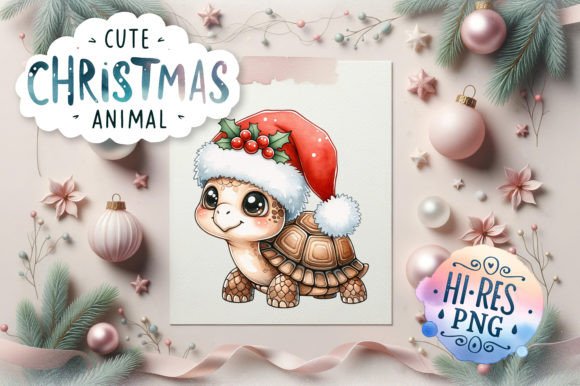
Reviewing the Cute Christmas Turtle Watercolor Design
As an embroidery designer who has spent years digitizing patterns and testing them on everything from stiff denim to delicate silk, I approach every new machine embroidery design with a mix of curiosity and skepticism. We have all seen those digital previews that look flawless on a white background but turn into a tangled mess of thread breaks and puckering once they hit the hoop. That is why I took a close look at the Cute Christmas Turtle Watercolor design before committing it to any client project or personal handmade product. This is not just about aesthetics; it is about practical application in a real-world embroidery project.
First Impressions: Mood and Visual Personality
The first thing that strikes you about the Cute Christmas Turtle Watercolor is its gentle, whimsical mood. Unlike traditional holiday motifs that rely heavily on rigid geometric snowflakes or sharp-edged holly leaves, this piece leans into the soft, organic feel of watercolor art. For those of us working in the Illustrations category, translating that fluid, painted look into stitches is always a challenge. The design manages to capture the essence of a watercolor wash without requiring an impossible number of color changes or excessively dense stitching.
The layout is balanced, with the turtle as the clear focal point. The visual personality is friendly and approachable, making it an ideal candidate for products that need to evoke warmth and nostalgia. It does not scream for attention with neon brightness; instead, it invites a closer look. This subtlety is crucial for modern Etsy sellers and boutique owners who want their items to feel curated and high-end rather than mass-produced. The shape is compact enough to fit standard hoops, yet detailed enough to hold interest when viewed up close.
Real-World Application: A Holiday Tote Bag Case Study
To truly evaluate this design, I imagined a specific scenario: creating a limited-run holiday gift set for a local craft fair. I decided to test the Cute Christmas Turtle Watercolor on a heavy-weight canvas tote bag design. Canvas is a forgiving fabric, but it can be tricky if the stitch density is too high, leading to stiffness.
During the stitching process, I noticed how the design handled the transition between the turtle’s shell and the festive elements surrounding it. The use of fill stitch areas was moderate, preventing the fabric from pulling too tightly. For a small shop product, this is vital. You do not want a tote bag that feels like cardboard because the embroidery is too dense. The result was a soft, flexible finish that looked professional. Customers at a craft fair are likely to touch the item, and the texture of the embroidery should complement the fabric, not dominate it.
Beyond tote bags, this design shines on sweatshirt embroidery. The cozy, wintery theme pairs perfectly with fleece or cotton blends. When stitched on a heather grey or cream sweatshirt, the watercolor effect pops without looking harsh. It also works well for baby embroidery projects, such as bibs or onesies, provided you use the correct stabilizer to protect delicate skin and fabric. The playful nature of the turtle makes it a hit for younger demographics, while the artistic style appeals to adult buyers looking for unique personalized gifts.
Navigating Fabric and Hoop Constraints
While the Cute Christmas Turtle Watercolor is versatile, it is not without its limitations. Experienced designers know that watercolor-style designs can struggle on dark fabrics if the digitizer has not accounted for proper underlay or background coverage. If you plan to stitch this on black navy or deep green, you must check the thread colors carefully. You may need to add a white underlay or adjust the sequence to ensure the pastel tones of the watercolor effect remain vibrant. Without this step, the design could look muddy or lost against the dark background.
Another consideration is the hoop size. While the design fits comfortably in a 5x7 inch hoop, attempting to scale it down significantly for a small embroidered patch or a cap front could compromise the finer details. Tiny elements might merge together, losing the distinct watercolor separation. If you are working on curved surfaces like hats, ensure you use a strong cut-away stabilizer to prevent distortion. The stitch density seems optimized for flat surfaces, so extra care is needed when moving to textured or stretchy materials.
For those considering this for custom apparel like t-shirts, remember that thin fabrics require careful handling. A lightweight tear-away might not be sufficient if the design has any heavier fill areas. Always test on scrap fabric first. This simple step saves time, thread, and frustration. It allows you to see how the running stitch outlines interact with the fabric grain and whether any satin stitch borders need adjustment for smoothness.
Commercial Value and Brand Consistency
From a business perspective, the Cute Christmas Turtle Watercolor adds significant value to a craft business. It stands out in a sea of generic Santa and reindeer motifs. Using unique design assets like this helps build brand consistency. If your shop focuses on whimsical, nature-inspired holiday items, this design fits seamlessly into that narrative. It enhances buyer engagement because it feels special and thoughtfully chosen.
When creating printable mockup images for your online store, this design photographs beautifully. The soft edges and blended colors translate well into digital previews, helping customers visualize the finished product. However, always be transparent about the final look. Digital screens can make colors appear brighter than they are in thread. Providing photos of the actual stitched item builds customer trust and reduces return rates.
For commercial embroidery projects, licensing is key. Before selling items made with this digital embroidery file, confirm the license terms. Most designers allow commercial use for physical items, but restrictions may apply to digital resale. Ensuring you are compliant protects your small business merchandise line from legal issues and supports the original artist.
Practical Designer Notes for Best Results
To get the most out of the Cute Christmas Turtle Watercolor, keep these practical tips in mind:
- Test on Scrap Fabric: Always run a test stitch-out on the same type of fabric you plan to use for the final product. This reveals any tension issues or color clashes.
- Check Thread Contrast: Use high-quality threads with a slight sheen to mimic the wet look of watercolor. Matte threads may flatten the visual effect.
- Review Stitch Density: If the design feels too stiff, consider reducing the density slightly in your software, if editable, or choosing a lighter weight fabric.
- Inspect Small Details: Zoom in on the preview to ensure tiny elements will stitch out cleanly. Remove any unnecessary jump stitches if you are editing the file.
- Mockup in Black and White: Convert your preview to grayscale to check for value contrast. This helps ensure the design is readable even from a distance.
- Use Proper Stabilizer: Match the stabilizer to the fabric. Cut-away for knits, tear-away for wovens, and wash-away for delicate or sheer materials.
- Confirm Licensing: Double-check the usage rights for the embroidery file to ensure it aligns with your business model, whether you are selling physical goods or using it for client work.
In conclusion, the Cute Christmas Turtle Watercolor is a thoughtful addition to any designer’s library. It bridges the gap between artistic illustration and practical embroidery, offering a fresh take on holiday themes. With careful attention to fabric choice, stabilizer selection, and thread coordination, it can elevate your holiday embroidery collection and delight your customers. It is a reminder that even in the digital age, the human touch of well-executed stitching remains the heart of our craft.